

ITIF

How Innovative Is China’s Space Industry?
China’s space industry was once nascent. But, with support from the Chinese Communist Party, it has developed into a robust commercial sector and is closing the innovation gap with the United States.

Korea’s STEM Talent Challenge: Fixing Incentives for Deployability
South Korea produces large numbers of STEM graduates, but too many are attracted to medicine, and too few go into engineering. Korea should rebalance its education financing and university incentives to ensure that enough engineers are ready to work in advanced industries.

The State of Privacy: Lessons From State Laws for a National Framework
The United States’ patchwork approach to privacy is unworkable in the long term. But that patchwork is already here, and Congress can learn from the policies states have implemented to craft a national data privacy framework.
Targeted Pressure: How Chinese Manufacturing Competition Impacts US States

Chinese industrial policy is reshaping global manufacturing and impacting every U.S. state. The result is growing risk to American industry, jobs, and national security.
How Personalization Drives Consumer Choice and Autonomy

As new technologies such as AI expand both user-directed and provider-driven personalization capabilities in digital systems, policymakers should ensure that personalization strengthens transparency, accountability, and user control rather than constrain its development.
Comfortable Decline: How Canada Chooses Stability Over Dynamic Prosperity

Canadian innovation, productivity, and competitiveness are weak. Absent serious policy change, they will likely get even weaker. A turnaround requires addressing Canada’s core challenges—most fundamentally, a Canadian political economy that is not designed for the techno-economic environment the country now faces.
Advanced Geothermal Energy Is Widely Available, Clean, and Maybe Cheap Enough to Make a Big Impact

Three advanced geothermal technologies—Enhanced Geothermal Systems (EGS), Advanced Geothermal Systems (AGS), and Superhot Rock Geothermal (SHR)—are poised to transform geothermal from a niche resource into a significant contributor to the U.S. energy mix.
Mobilizing for Techno-Economic War, Part 4: Transforming Education and Workforce Policy

The U.S. education and workforce development system is ill-suited to winning the economic power industry war with China. It’s time for systemic reforms to produce students and workers with skills and capabilities that national power industries need.
America Needs an Industrial Strategy for Motor Vehicles
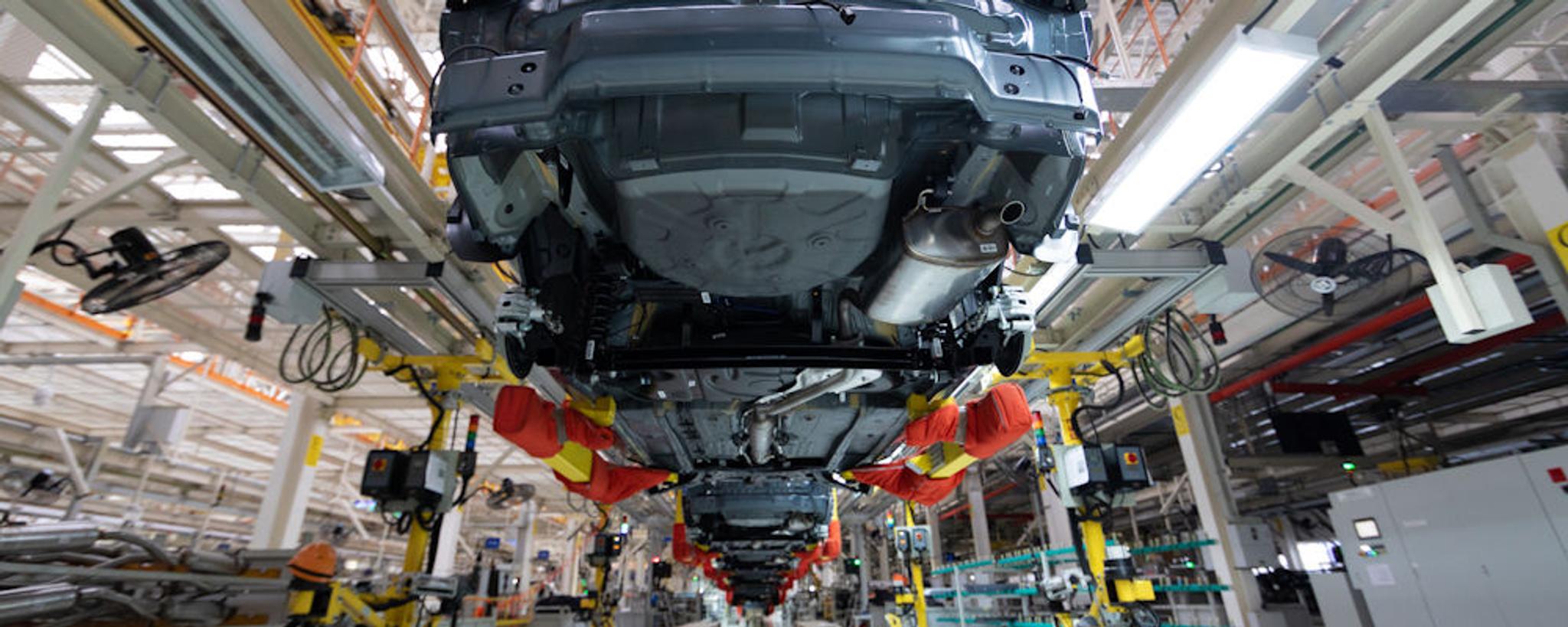
U.S. automotive competitiveness has severely faltered. The federal government needs a comprehensive national strategy to revitalize the industry’s competitiveness, especially in the face of Chinese EVs.
The Hamilton Index, 2026: China’s Dominance in Advanced Industries Is Growing

China now produces nearly one-quarter of global output in the 10 advanced industries that make up ITIF’s Hamilton Index, outpacing all other nations. America and the West must recognize that China’s gains are coming at the expense of their techno-economic and national power.
US Technology Companies Should Keep Operating in China

When U.S. technology companies compete in China, they capture revenue, learn technologies and trends from a critical market, and extend U.S.-built ecosystems. Forcing them out of China would weaken U.S. global competitiveness and give Chinese firms greater scale to shape technology ecosystems.
How to Align Incentives to Accelerate Spectrum Productivity

Timing mismatches hamper otherwise mutually beneficial spectrum reallocation processes. Dominant assurance contracts can resolve these mismatches and enhance the overall productivity of spectrum resources.
Improving State and Local Government Cybersecurity

State and local governments face rising cybersecurity risks that strain budgets, disrupt services, and erode public trust. Governments need targeted investments in modern infrastructure, continuous monitoring, and stronger third-party risk management to protect critical services.
Mobilizing for Techno-Economic War, Part 3: Transforming Financial Capitalism Into National Power Capitalism

To avoid losing the techno-economic trade war with China, U.S. policymakers must rewrite the social contract at the heart of America’s 50-year-old system of financial capitalism by rebalancing the incentives to drive long-term investments in U.S. national power industries.
From Sovereignty to Control: A Clear-Eyed View of Canadian Cloud Policy

Canada’s cloud debate is asking the wrong question—control, not domestic ownership or server location, is what determines security and resilience in practice.
Five Concerns About AI Data Centers, and What to Do About Them

If the policy framework is right, AI infrastructure can strengthen the electricity grid rather than strain it, stabilize prices rather than inflate them, and transform heat and flexible demand into system assets.
The Global Trade Battleground: US-China Competition in the Global South
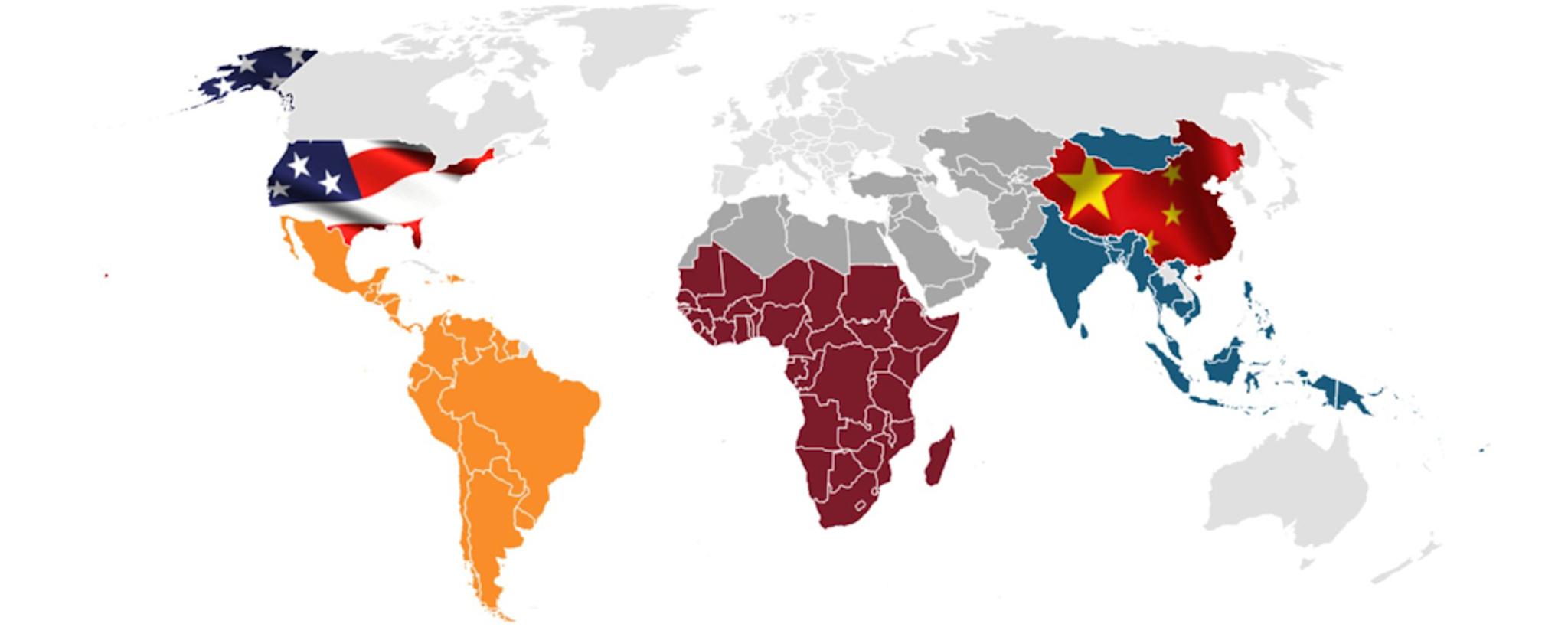
Countries in the Global South are key markets for Chinese and U.S.-allied national power industries, which require scale economies to flourish. U.S. policymakers should stop viewing them as a “backyard” and recognize that they are a key battlefield in an industrial war.
Mobilizing for Techno-Economic War, Part 2: Slowing China’s Advance

Boosting U.S. competitiveness in national power industries is necessary, but not sufficient to avoid losing to China. America also must take measures to slow the PRC’s progress toward global dominance. This report provides more than 100 actionable recommendations for the administration and Congress. Western allies should take many of the same steps.
Antitrust Undone: How Competition Enforcers Are Undermining Competition

Refashioning U.S. antitrust in the mold of the EU’s weaker probative burdens and categorical prohibitions would adversely impact U.S. global competitiveness and innovative dynamism, particularly in the tech ecosystem.
Lessons From Europe’s Loss of Biopharma Leadership, and Its Attempts to Recover

Europe once led the world in biopharmaceutical innovation, but it lost ground after adopting policies that weakened incentives for R&D and innovation. America must learn from Europe’s experience to preserve its own biopharma leadership and the related economic benefits and access to the most innovative drugs.
